Mystery Shopping Report Template for B2B Sales Teams (With Example)
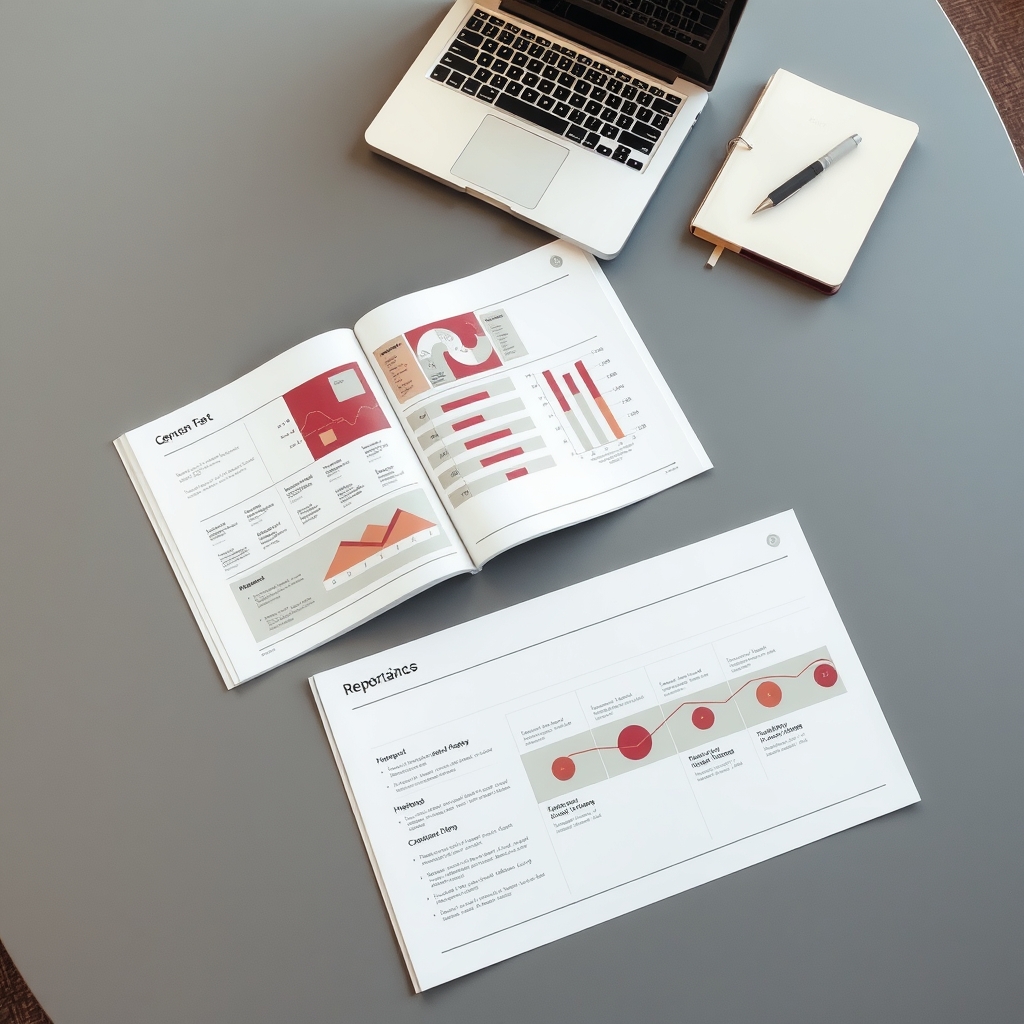
A B2B sales mystery shopping report template should cover nine sections: an executive summary, the buyer profile, scope, a timestamped timeline of every touchpoint, stage scorecards, a rep comparison, verbatim notes, a ranked list of fixes, and a round-over-round comparison. Most mystery shopping report templates online are built for retail store visits. This one is built for a considered sale, where a buyer fills out a form, takes a discovery call, sits through a demo, asks for pricing and gets followed up for weeks.
Below is the template, section by section, filled in with a mystery shopping report sample for a fictional software company, Northwind Analytics. Every name, time and score in the example is illustrative and invented to show the format.
Illustrative example. Northwind Analytics is a fictional company. All reps, timestamps, scores and findings below are made up to show how a finished report reads.
What a B2B mystery shopping report needs to do
A retail report answers "Was the store clean and did staff greet the customer?" A sales report has a harder job. It has to show a revenue leader where deals are leaking, prove it with evidence the team cannot dispute, and tell them what to fix first. That means:
- Every claim ties back to a timestamp, an email or a call note.
- Scores are broken out by stage and by rep, so problems are located, not just counted.
- Fixes are ranked by likely impact, not listed in the order they were noticed.
- The format stays fixed across rounds, so a re-shop shows what changed.
The scorecard sections assume you have already chosen your evaluation criteria. If not, start with our list of mystery shopping questions for sales teams, which this template is designed to hold.
Section 1: Executive summary
One page. A busy CEO or board member should be able to read only this and know what happened, how bad it is and what to do. Include the overall score, the three biggest findings and the top three fixes.
Example: Northwind Analytics, Round 1 (illustrative)
Overall buyer experience score: 58 out of 100 (illustrative).
- Inbound web leads waited a median of 6 hours 40 minutes for a human response. One of four inquiries received only an automated email for three business days.
- Discovery was strong on product fit but weak on decision process. No rep asked who else would approve the purchase.
- Follow-up stopped early. After the proposal, reps made an average of 1.75 follow-up attempts before going silent.
Top fixes: route web leads to a named rep with a one-hour response target; add decision-process questions to the discovery guide; set a minimum six-touch follow-up sequence after proposals.
Section 2: Buyer profile
Describe who the evaluator posed as, so readers can judge whether the reps' responses were reasonable for that buyer. Keep it believable and consistent with your ideal customer.
| Field | Example (illustrative) |
|---|---|
| Company | Regional distribution company, about 180 employees, three warehouses |
| Role | Director of Operations |
| Need | Replace spreadsheet-based reporting on inventory and order cycle times |
| Budget signal | "Under $50,000 a year, needs CFO sign-off" |
| Timeline | Wants a decision within the quarter |
| Alternatives | Evaluating two other analytics vendors and a build-in-house option |
| Planned objections | Implementation time, price versus a competitor, "current process works fine" |
Section 3: Scope
State exactly what was shopped and what was not, so nobody reads more into the results than they support.
| Item | Example (illustrative) |
|---|---|
| Round | Round 1 (baseline) |
| Shops completed | 4 buyer journeys |
| Entry channels | Website demo form (2), main phone line (1), live chat (1) |
| Stages covered | Inquiry, discovery, demo, pricing and proposal, follow-up |
| Reps evaluated | 4 account executives, 2 SDRs |
| Tracking window | 21 days per buyer from first inquiry |
| Recording | Calls noted in writing; recorded only where all applicable consent rules were met |
| Not in scope | Existing customer renewals, partner channel, outbound prospecting |
Section 4: Timeline of touchpoints
This is the backbone of the report. Log every email, call, voicemail, chat and calendar invite with a timestamp, the channel, who it came from and a one-line note. It is the section that ends debates, because it is simply what happened.
Example timeline: Buyer A, website demo form (illustrative)
| Day | Time | Channel | From | Note |
|---|---|---|---|---|
| Mon, Day 1 | 9:12 AM | Web form | Buyer | Demo request submitted, need and timeline stated |
| Mon, Day 1 | 9:12 AM | Automated | Generic confirmation, no next step offered | |
| Mon, Day 1 | 3:51 PM | SDR 1 | First human response, 6h 39m after inquiry; booking link included | |
| Tue, Day 2 | 10:05 AM | Phone | SDR 1 | Voicemail, clear callback reason |
| Wed, Day 3 | 11:00 AM | Video call | AE 2 | Discovery, 32 minutes; next step booked |
| Wed, Day 3 | 4:40 PM | AE 2 | Recap sent, accurate, two resources attached | |
| Mon, Day 8 | 2:00 PM | Video call | AE 2 + SE | Demo, 48 minutes; partly tailored |
| Mon, Day 8 | 2:52 PM | Buyer | Requested pricing and implementation timeline | |
| Wed, Day 10 | 9:30 AM | AE 2 | Proposal sent, 42h after request; implementation timeline missing | |
| Mon, Day 15 | 8:45 AM | AE 2 | "Checking in" follow-up, no new information | |
| Days 16 to 21 | None | None | None | No further contact |
Section 5: Stage scorecards
Score each stage separately, using the same questions and weights for every buyer. Show the stage score and the two or three questions that drove it.
| Stage | Weight | Score (illustrative) | What drove it |
|---|---|---|---|
| Inquiry and response | 20% | 41 / 100 | Slow first human touch; chat inquiry got no human reply for three days |
| Discovery | 20% | 68 / 100 | Good problem quantification; no decision-process or budget questions |
| Demo | 20% | 72 / 100 | Tailored opening; second half reverted to a generic feature tour |
| Pricing and proposal | 20% | 60 / 100 | Clear pricing; proposals slow and missing implementation detail |
| Follow-up | 20% | 47 / 100 | Recaps sent promptly; post-proposal follow-up stopped after one or two touches |
| Overall | 100% | 58 / 100 | Weighted average |
For how to build and weight the scoring model itself, see our sales scorecard template.
Section 6: Rep comparison
Compare reps on the same stages. The point is coaching, not ranking people for punishment, so pair each score with the specific behavior behind it.
| Rep | Discovery | Demo | Proposal | Follow-up | Strength / gap (illustrative) |
|---|---|---|---|---|---|
| AE 1 | 74 | 80 | 65 | 40 | Best demo; dropped follow-up after proposal |
| AE 2 | 70 | 68 | 55 | 50 | Strong recaps; slow proposal |
| AE 3 | 58 | 70 | 60 | 45 | Pitched before finishing discovery |
| AE 4 | 70 | 70 | 60 | 53 | Most consistent; discounted before being asked |
Section 7: Verbatim notes
Short quotes and paraphrases from calls and emails, each with the buyer, date and stage. These make findings concrete and give managers material for coaching. Record exact words only where your note-taking or recording method allows it.
Example notes (illustrative)
- Buyer B, Day 3, discovery: when asked about the approval process, the rep replied, "We can get into that later, let me show you the dashboards first." The topic did not return.
- Buyer C, Day 9, pricing: the buyer said the price was "a bit more than we planned." The rep offered 15% off within the same minute, without asking about priorities or scope.
- Buyer A, Day 8, demo: the rep opened by restating the buyer's three reporting problems from discovery. The buyer's evaluator noted this as the strongest moment of the journey.
- Buyer D, Day 1, chat: the chat agent collected contact details and wrote, "Someone will reach out shortly." First human contact came on Day 4.
Section 8: Ranked fixes
List the fixes in order of likely impact, with an owner and a way to verify the change in the next round. Keep the list short. Five fixes that get done beat fifteen that do not.
| Rank | Fix | Owner | How we will verify |
|---|---|---|---|
| 1 | Route every web and chat lead to a named rep with a one-hour response target during business hours | Sales ops | Median first human response in Round 2 |
| 2 | Minimum six-touch, multi-channel follow-up sequence after every proposal | Sales manager | Count and spacing of post-proposal touches |
| 3 | Add decision-process and budget questions to the discovery guide | Sales enablement | Discovery questions 15 and 16 answered yes |
| 4 | Include implementation timeline in every proposal template | Sales ops | Proposal completeness check |
| 5 | Discount approval rule: no unprompted discounts; explore value first | VP Sales | Discount behavior in pricing conversations |
The response time fix ranks first because speed matters early. Harvard Business Review found firms that tried to contact a lead within an hour were nearly 7 times as likely to qualify it as those that waited even an hour longer (HBR).
Section 9: Round-over-round comparison
From the second round on, add a comparison against the baseline. Keep the buyer profile type, channels and questions the same so the comparison is fair.
| Measure | Round 1 (illustrative) | Round 2 (illustrative) | Change |
|---|---|---|---|
| Median first human response | 6h 40m | 48m | Improved |
| Discovery score | 68 | 79 | +11 |
| Demo score | 72 | 74 | +2 |
| Proposal turnaround (median) | 42h | 20h | Improved |
| Post-proposal follow-up touches (avg) | 1.75 | 5.0 | Improved |
| Overall score | 58 | 73 | +15 |
Mystery shopping report template: blank outline
Copy this outline into your own document and fill it in for each round.
- Executive summary: overall score, top three findings, top three fixes.
- Buyer profile: company, role, need, budget signal, timeline, alternatives, planned objections.
- Scope: round, number of shops, channels, stages, reps, tracking window, recording approach, exclusions.
- Timeline: day, time, channel, sender, note, for every touchpoint per buyer.
- Stage scorecards: stage, weight, score, drivers.
- Rep comparison: scores by stage per rep, with one strength and one gap each.
- Verbatim notes: buyer, date, stage, quote or paraphrase.
- Ranked fixes: rank, fix, owner, verification method.
- Round-over-round comparison: measure, prior round, current round, change.
- Appendix: full scorecard answers for every question and buyer.
Tips for writing a mystery shop report people act on
- Lead with the timeline in the readout. Timestamps are hard to argue with and set a factual tone.
- Show reps their own journeys before the group sees the comparison.
- Separate process problems (routing, templates, handoffs) from skill problems (discovery, objection handling). Process fixes are often faster.
- Do not bury good news. Name what worked so the team keeps doing it.
- Book the re-shop date when you share the fixes, so the improvements have a deadline.
If you want this report delivered rather than built in-house, our B2B sales mystery shopping service produces it for every round, with trained evaluators, a full touchpoint timeline and a live readout. For investors, the same format supports sales process diligence on a target or portfolio company.
Frequently asked questions
What should be included in a mystery shopping report?
For a B2B sales team, include an executive summary, the buyer profile used, the scope of the shop, a timestamped timeline of every touchpoint, stage-by-stage scorecards, a rep comparison, verbatim notes from calls and emails, a ranked list of fixes with owners, and from the second round on, a comparison against the baseline.
How is a B2B mystery shopping report different from a retail one?
Retail reports usually cover a single store visit against a compliance checklist. A B2B sales report follows one buyer across several weeks and many touchpoints, from inquiry through follow-up, so it needs a detailed timeline, scores by sales stage and by rep, and fixes tied to revenue rather than store standards.
How long should a mystery shopping report be?
Keep the executive summary to one page. The full report for a round of four to six B2B buyer journeys typically runs 10 to 20 pages including timelines and an appendix of scorecard answers. Length matters less than whether every finding links to evidence and every fix has an owner.
Should a mystery shopping report name individual sales reps?
It can, but handle it carefully. Rep-level detail is useful for coaching, so share each rep's results with them and their manager first. Many teams use rep labels such as AE 1 or AE 2 in the group readout and keep named detail in a restricted appendix.
What is a good mystery shopping score for a sales team?
There is no universal benchmark, because scores depend on the questions and weights you choose. The useful comparison is against your own baseline. Run a first round, fix the top issues, then re-shop with the same criteria and measure the change. See our mystery shopping questions for building consistent criteria.
See your process from the buyer's seat
We run buyer evaluations of B2B and considered-purchase sales teams. Tell us what you want to learn and we will scope a first round.
Book a scoping call