Mystery Shopping Companies: Retail vs B2B Sales Evaluation
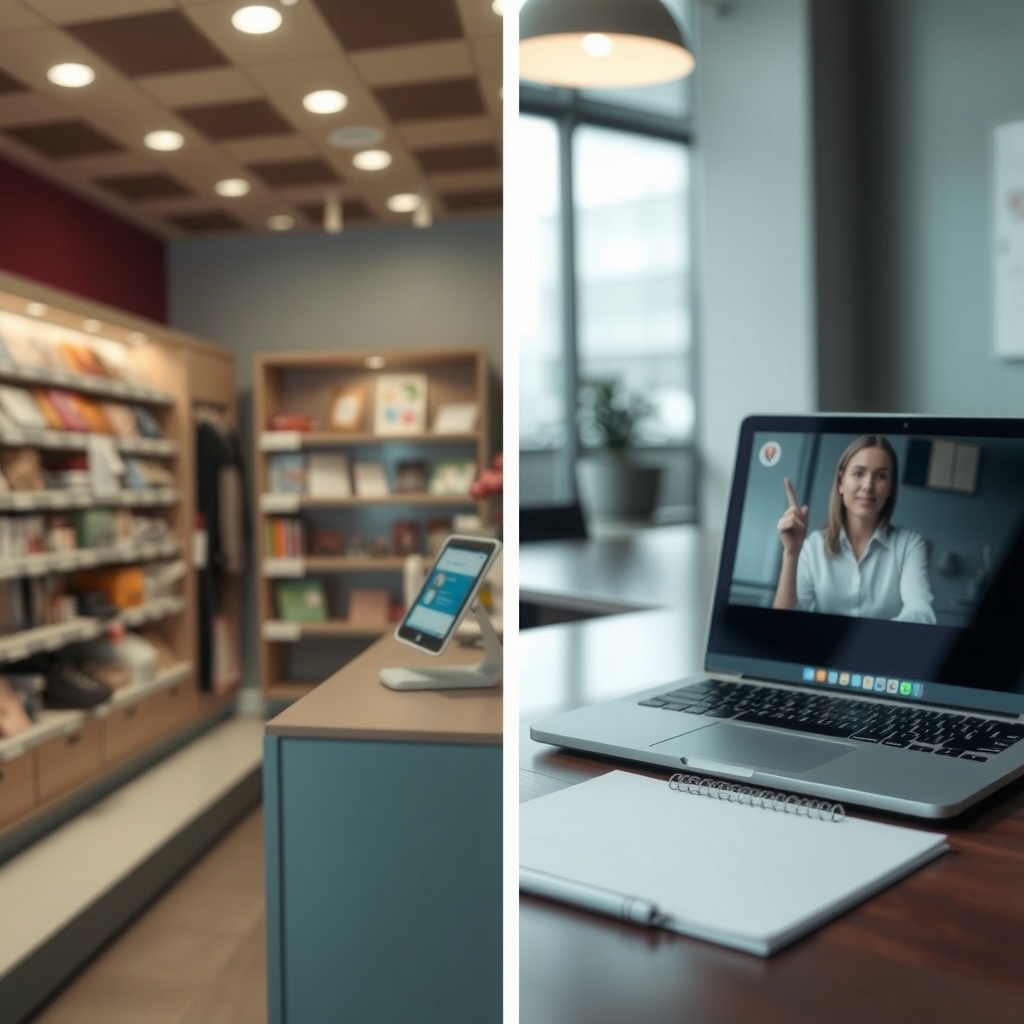
This page is for businesses choosing a mystery shopping company, not for people looking for shopper jobs or side income. If you are a sales or revenue leader, founder or investor, the key decision is which kind of provider you need. Retail and hospitality mystery shopping companies send many shoppers on short, checklist-based visits. B2B mystery shopping firms run a few deep buyer evaluations that follow a considered sale for weeks, from first inquiry to final follow-up.
Both are legitimate. They solve different problems, use different people and produce different reports. Hiring the wrong type is the most common way a mystery shopping project disappoints. Below is a plain comparison, a table, and the questions to ask any provider before you sign.
What retail and hospitality mystery shopping companies do
Most of the companies that appear when you search "mystery shopping companies" serve restaurants, retail chains, bank branches, hotels, car dealerships and similar consumer-facing locations. The model is built for scale:
- A large panel of independent shoppers, often recruited online and paid per visit.
- Many short visits, often hundreds or thousands per quarter, across locations.
- A fixed checklist: greeting time, cleanliness, upsell offered, signage correct, receipt issued.
- Scores rolled up by location, region and period, often in a self-serve dashboard.
This works well when the customer interaction is short, repeatable and the same across hundreds of sites. Brand standards and compliance are the point, and volume is what makes the data meaningful.
What B2B mystery shopping is
B2B mystery shopping, also called sales mystery shopping or buyer evaluation, tests how your sales team handles a real-looking prospect through a considered purchase. A trained evaluator poses as a believable buyer with a real-sounding company, role, need, budget and timeline. They submit the inquiry, take the discovery call, sit through the demo, ask for pricing, receive the proposal and track every follow-up for weeks.
The model is built for depth, not volume:
- A small number of buyer journeys per round, often four to ten.
- Each journey spans multiple touchpoints over several weeks.
- Evaluators who can hold a 45-minute discovery conversation without breaking character.
- Scoring by sales stage and by rep, with a full timestamped timeline and verbatim notes.
- A ranked list of fixes and, usually, a re-shop to prove what improved.
For a fuller definition, see what is sales mystery shopping.
Retail vs B2B mystery shopping: comparison table
| Factor | Retail and hospitality mystery shopping | B2B sales mystery shopping |
|---|---|---|
| What is evaluated | A location or a single service interaction | A full sales process and the reps in it |
| Typical volume | Hundreds or thousands of visits | A handful of deep buyer journeys per round |
| Length of each shop | Minutes to an hour | Several weeks, many touchpoints |
| Who does the shopping | Large panel of independent shoppers | Small team of trained evaluators |
| Shopper identity | An ordinary consumer | A believable business buyer with a company, role, need and budget |
| Channels | In-person visit, sometimes phone or online order | Web form, phone, chat, email, video calls, demos, proposals |
| Criteria | Compliance checklist and brand standards | Speed to lead, discovery quality, demo tailoring, pricing handling, follow-up |
| Main output | Location scores and trend dashboards | Stage and rep scorecards, timeline, verbatim notes, ranked fixes, readout |
| Who reads it | Operations and district managers | Sales leaders, CEOs, boards, private equity sponsors |
| Main risk | Shoppers rushing visits or filling in forms loosely | Evaluator getting detected, or a buyer profile that is not believable |
If your customer talks to a salesperson more than once before buying, you need a B2B sales evaluation, not a store-visit program. Volume does not substitute for depth in a considered sale.
Why retail models break down in B2B sales
A retail-style program applied to a B2B team usually fails in predictable ways.
The shopper is not believable
A B2B rep qualifies quickly. They look up the company, ask about the tech stack, the current vendor and who signs off. A panel shopper without a coherent buyer profile gets disqualified on the first call, and you learn only that your rep screens out fake leads.
The checklist misses what matters
"Did the rep greet the caller by name?" is easy to score and tells you little. What matters in a considered sale is whether the rep found the real problem, involved the right people, tailored the demo, defended price and followed up after the buyer went quiet. Those need judgment and context.
One interaction is not the journey
Many deals are lost in the gaps: the lead that waited a day for a reply, the recap that never came, the proposal that arrived without an implementation plan, the follow-up that stopped after one email. Harvard Business Review's audit of 2,241 US companies found 23% never responded to a web inquiry at all, and the average response among those that did respond within 30 days was 42 hours (HBR). A single scored call would never show that.
When a retail-style program is the right choice
Be honest about fit. A high-volume, panel-based program is the better buy when:
- You have many physical locations and need to compare them.
- The interaction is short and standardized, such as a counter sale or a check-in.
- Your main goal is compliance with brand or regulatory standards.
- You need statistically meaningful samples per location every month.
Some businesses need both: store visits for front-line service, and a B2B evaluation for the commercial sales team that handles larger accounts.
How to choose a B2B mystery shopping provider
Once you know you need a sales evaluation, the choice comes down to the quality of the evaluators, the realism of the buyers and the usefulness of the report.
Questions to ask a mystery shopping provider
| Question | What a good answer sounds like |
|---|---|
| Who are your evaluators, and how are they trained? | A small, named team with sales or buying experience, trained on your criteria before the shop starts |
| How do you build buyer profiles? | Profiles built with you, matched to your ideal customer, with a consistent company, role, need, budget and timeline |
| How do you avoid detection? | Specific steps: credible contact details, consistent story, staggered timing, no overlap with known contacts |
| Which channels can you shop? | Web forms, phone, chat, email, video discovery and demos, proposals, and multi-week follow-up tracking |
| How long do you track each buyer? | Long enough to see real follow-up behavior, typically several weeks, not just the first call |
| How do you handle call recording? | A clear explanation of consent rules by state, with written notes as the default where recording is not allowed |
| Who agrees the scoring criteria? | You do, with the provider, before the shop begins |
| What does the report include? | A sample showing timeline, stage and rep scores, verbatim notes, ranked fixes and a live readout |
| Do you support re-shopping? | Yes, with identical criteria so improvement can be measured against a baseline |
| How do you protect confidentiality? | An NDA, restricted access to results, and a plan for how rep-level findings are shared |
Ask to see a sample report. Our mystery shopping report template shows what a complete B2B report should contain, so you can compare.
Red flags
- The provider talks mostly about panel size or number of visits.
- Pricing is quoted per visit with no mention of the full buyer journey.
- Criteria are a fixed checklist they will not adapt to your sale.
- They cannot explain how a shopper would survive a real discovery call.
- The report is a dashboard of scores with no timeline or evidence.
- No position on call recording law.
Who buys B2B mystery shopping
The buyers are usually people responsible for revenue who suspect the sales process is leaking but lack hard evidence:
- Sales and revenue leaders who want an outside view of how their team sells, by stage and by rep.
- CEOs and founders who want to see the buyer experience without the filter of CRM reports.
- Private equity sponsors and boards checking a target or portfolio company's sales engine. See mystery shopping for private equity portfolio companies.
Industries include software, equipment and industrial, professional services, healthcare and medical devices, financial services and insurance, logistics, and commercial services: anywhere a buyer talks to someone before buying.
What a B2B sales evaluation round looks like
- Kickoff: agree goals, channels, buyer profiles and scoring criteria.
- Shop: evaluators submit inquiries and take every call, demo and proposal as real buyers would.
- Track: every email, call and voicemail is logged with timestamps for several weeks.
- Score: each journey is graded by stage and by rep against the agreed criteria.
- Readout: findings, evidence and a ranked list of fixes, presented live.
- Re-shop: after changes, run the same evaluation again to measure the improvement.
A typical round takes two to four weeks from kickoff to readout. To see how The Buyer Seat runs it, read about our B2B sales mystery shopping service. If you want to test the process yourself first, our guide on how to secret shop your own sales team covers the do-it-yourself approach.
Frequently asked questions
What is B2B mystery shopping?
B2B mystery shopping is a sales process evaluation in which a trained evaluator poses as a believable business buyer and goes through your full sales process: inquiry, discovery call, demo, pricing, proposal and weeks of follow-up. Each touchpoint is timestamped and scored by stage and by rep, and the result is a ranked list of fixes.
Are mystery shopping companies the same for retail and B2B?
No. Retail and hospitality firms run many short, checklist-based visits using large shopper panels, which suits stores, restaurants and branches. B2B sales evaluations run a few deep buyer journeys over weeks with trained evaluators and believable buyer profiles. The methods, people and reports are different.
How many mystery shops does a B2B sales team need?
Far fewer than a retail program. Four to ten full buyer journeys per round usually show clear patterns across stages and reps, because each journey includes many touchpoints. The number depends on team size, entry channels and how many rep segments you want to compare. Most teams follow a baseline with a re-shop.
How much does B2B mystery shopping cost?
Pricing varies by number of buyer journeys, channels, length of tracking and report depth, so per-visit retail pricing does not apply. A deep sales evaluation is usually scoped as a project per round. Ask any provider to price the full journey, including follow-up tracking and a readout, not just individual calls.
Is this page about becoming a mystery shopper?
No. This page is for companies buying mystery shopping to evaluate their own sales teams. The Buyer Seat does not recruit the public for paid shopping work. Our evaluations are run by a trained team that poses as business buyers. Learn more about our B2B sales mystery shopping.
See your process from the buyer's seat
We run buyer evaluations of B2B and considered-purchase sales teams. Tell us what you want to learn and we will scope a first round.
Book a scoping call